How selling a property in Tenerife works
From the first visit to signing at the notary, here is what to expect when you sell with us.

The steps
Selling, from start to finish
Email us
Tell us where the property is and what type it is, and we will agree a time to visit.
The visit
We look round the property, talk about your plans and explain the costs of selling.
Photographs
We photograph your home so that buyers can see it at its best.
Paperwork ready
We help you gather the documents a buyer's lawyer will ask for, so that nothing holds up the sale later.
Marketing and viewings
Your property goes on our websites and we arrange viewings with buyers it suits.
Offer and reservation
When you accept an offer, the terms and the buyer's deposit are set out in a private contract.
Signing at the notary
The deeds are signed in front of a notary, you receive the balance and the keys are handed over.
After the sale
Taxes on a sale
Sellers normally pay the plusvalía, the local tax on the increase in the value of the land, and may owe tax on any gain since they bought.
If you are not resident in Spain, the buyer keeps back 3% of the price and pays it to the tax office on account of your tax. Your lawyer can file your return and reclaim any difference.
We explain all of this at the first visit, and your lawyer will confirm the figures for your sale.
Before the photographs
Getting your home ready
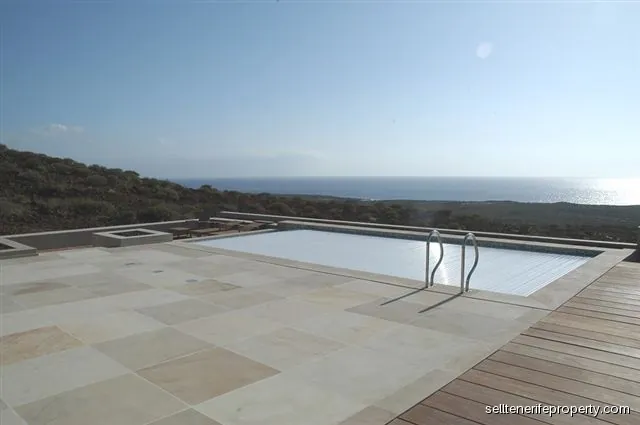
A tidy, bright, uncluttered home photographs well and makes a strong first impression at viewings. Open the shutters, clear the terraces and make the most of any view.
If the property is let or empty, we can talk about the best way to arrange access for photographs and viewings.
Questions
Questions about selling
Who pays the plusvalía?
The plusvalía is a local tax on the increase in the value of the land, and it is normally paid by the seller. Your lawyer will work out whether it is due and how much.
Do I need a lawyer to sell?
It is strongly recommended, especially if you live outside Spain. A lawyer prepares the paperwork, deals with the taxes on the sale and protects your interests at the notary.
What happens to the deposit?
When a buyer reserves your property, the deposit and the terms of the sale are set out in a private contract. Your lawyer will explain what it means for you before you sign.